Compare Local Contractors for Log Home Staining Projects
Compare local contractors for log home staining to verify experience, define scope, and set clear expectations for a successful project.
Log home staining services typically involve applying protective finishes or color treatments to the exterior wood surfaces of a log home. This work helps preserve the wood from weathering, UV damage, and pests, while also enhancing the natural beauty of the logs. The scope of staining can include cleaning the logs, repairing minor damage, and applying multiple coats of stain or sealant to ensure proper coverage and longevity. Since log homes often have unique architectural features and varying log types, contractors may tailor their approach to suit the specific needs of each property, making it important for property owners to clearly define what is included in the project.
Defining the scope of log home staining work is essential for setting clear expectations and avoiding misunderstandings. A detailed scope should specify which areas will be stained, the type of stain or finish to be used, and any preparatory work required, such as cleaning or minor repairs. Clarifying these details in writing helps ensure that both property owners and contractors are aligned on the work to be performed, reducing the risk of surprises or disputes later on. It also provides a basis for comparing different service providers, as each may offer different levels of service or use different materials.
When evaluating local contractors for log home staining, property owners should consider their experience with similar projects and their familiarity with log home maintenance. It is helpful to ask for references or examples of past work to gauge the quality and consistency of the contractor’s results. Comparing how contractors define their scope of work, the materials they plan to use, and their approach to preparation and application can provide insight into their professionalism and attention to detail. Additionally, verifying that contractors are willing to put their scope and expectations in writing can help ensure a transparent process and a clear understanding of what to expect from the project.
Compare local contractors by outlining project priorities, verifying experience, and setting clear expectations in writing.
- Verify Experience and Qualifications - Ensure contractors have relevant experience in log home staining projects.
- Define Project Scope Clearly - Outline specific staining needs and expectations in written agreements.
- Compare Local Contractors - Review multiple service providers to assess their expertise and service offerings.
- Request Written Estimates and Details - Obtain detailed, written descriptions of work to set clear expectations.
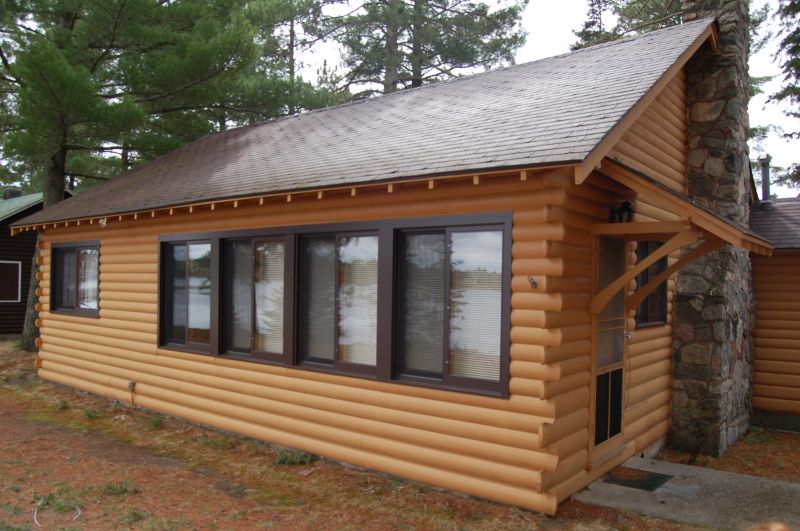
Clearly describe your log home staining project to help compare local contractors, define scope, verify experience, and set expectations in writing.
- Verify the contractor’s experience with log home staining projects to ensure familiarity with the unique requirements of this type of work. - Consider how the service provider defines the scope of work and what surface preparations are included.
- Ensure the contractor provides a detailed written estimate outlining materials, surface preparation, and staining methods to set clear expectations. - Review the contractor’s experience in handling different wood types and stain finishes suitable for log homes.
- Check references or reviews to assess the quality of previous log home staining projects completed by the local contractor. - Confirm that the contractor uses appropriate tools and techniques for even and long-lasting stain application.
- Discuss the recommended staining products and techniques to understand the contractor’s approach and compatibility with your log home. - Clarify the scope of surface preparation, including cleaning, sanding, or repairs, to ensure comprehensive service.
- Compare multiple service providers to evaluate their experience, scope definitions, and communication clarity before making a selection. - Ensure all project details, including scope, materials, and expectations, are documented in a written agreement.
Use this as a starting point to compare local contractors, clarify scope, and verify experience.




Use clear, consistent scope descriptions to accurately compare local contractors for log home staining projects.
- Scope Definition - Clearly outline the areas of the log home that will be stained, including any preparation work required.
- Surface Condition - Assess and document the current condition of the log surfaces to determine necessary repairs or cleaning.
- Stain Selection - Specify the type, brand, and color of stain to be used, ensuring it aligns with the desired finish.
- Preparation Requirements - Identify any surface preparation tasks needed prior to staining, such as cleaning, sanding, or sealing.
- Quality Expectations - Establish standards for the application process, coverage, and finish to ensure consistent results.
When evaluating contractors for log home staining, it’s important to consider their experience with similar projects. Homeowners should seek service providers who have a proven track record of working on log homes or comparable wood structures, as this indicates familiarity with the unique challenges and best practices involved. Asking for examples of past work or references related to log home staining can help verify that a contractor has the relevant expertise needed to deliver quality results on a project of similar scope and complexity.
A clear, written scope of work is essential when comparing local contractors. This document should outline specific details such as preparation methods, types of stains or finishes to be used, surface areas to be covered, and any surface repairs or treatments included. Having a detailed scope helps ensure both parties have aligned expectations and provides a basis for comparison. It also serves as a useful reference throughout the project, reducing misunderstandings and making it easier to evaluate whether a contractor’s proposed approach matches the homeowner’s needs.
Verification basics involve confirming that a contractor’s experience aligns with the project requirements, and that their proposed methods are appropriate for log home staining. Homeowners should inquire about the contractor’s process, including surface preparation, application techniques, and drying times. Additionally, requesting references or testimonials from previous clients who had similar work completed can provide insight into the contractor’s reliability and quality of workmanship. Ensuring that the contractor’s background and approach match the project’s demands helps build confidence in the selection process.
When comparing options, it’s helpful to review how each service provider’s proposal addresses scope, methods, and experience. Focus on the clarity and completeness of their written proposals, and ask questions to clarify any uncertainties. Consider how well each contractor understands the specific needs of log home staining, and whether their approach aligns with the homeowner’s expectations. By emphasizing experience, detailed scope, and verification, homeowners can make informed decisions that lead to successful project outcomes with service providers who are well-qualified to handle the job.
Ask contractors to provide written scope details to ensure clear understanding and consistent project expectations.
- Experience with Log Home Staining - What level of experience do local contractors have with staining log homes?
- Scope of Work - How do contractors define and document the specific tasks included in the staining project?
- Materials and Products - What types of stains and finishes do service providers recommend and plan to use?
- Preparation and Process - How will contractors prepare the log home surface before staining and what steps are involved?
- Warranty and Guarantees - What assurances or written guarantees do local contractors provide regarding their staining work?
How can I compare contractors for log home staining? Look for providers with clear experience in staining log homes, and review their previous work or references to assess quality and reliability.
What should be included in the scope of work when hiring a stain contractor? The scope should specify surface preparation, staining methods, type of stain used, and any necessary repairs or surface treatments.
How can I verify a contractor’s experience with log home staining? Ask for details about their past projects, years of experience, and any specialized training related to log home finishes.
Why is it important to have the project details in writing? Written agreements help set clear expectations for the work to be performed, materials used, and the responsibilities of each party.
What questions should I ask a contractor before hiring for log home staining? Inquire about their experience, methods, types of stains they recommend, and how they handle surface preparation and cleanup.
How can I ensure a contractor understands my specific staining needs? Clearly communicate your expectations and ask them to provide a detailed plan or proposal outlining the work scope and materials.
Understanding the key aspects of selecting a contractor for log home staining helps ensure the project meets expectations. Visitors learned how to define the scope of work clearly, verify the experience of service providers, and set detailed expectations in writing to facilitate a smooth process. Comparing options among local contractors can lead to informed decisions that align with individual needs.
Using the quote form allows for easy comparison of local service providers specializing in log home staining. It provides a simple way to gather information and connect with experienced contractors who can handle the job. Taking the time to explore local options ensures the right professionals are available to meet specific project requirements.